
Gears are essential components in industrial machinery, helping transmit power, control speed, and deliver the torque required for reliable operation. However, selecting the correct gear involves more than finding a component that resembles the original.
For South African businesses operating manufacturing plants, workshops, and processing facilities, choosing compatible components can minimise downtime, maintain productivity, and extend machinery service life. Working with knowledgeable machine gear suppliers is an important step towards finding suitable replacement components.
Factoria Engineering understands the importance of identifying appropriate engineering solutions for industrial requirements. Understanding the fundamentals of gear compatibility can help you make informed purchasing decisions and maintain dependable equipment performance.
Why Is Gear Compatibility Important?
Industrial gears transfer rotational motion and power between machine components. Incompatible gears can cause excessive noise, vibration, accelerated wear, overheating, and reduced operating efficiency. Incorrect selection may also place additional stress on shafts, bearings, motors, and gearboxes, potentially leading to costly repairs.
Compatibility is particularly important when replacing worn gears or modifying existing machinery. Components with similar dimensions may have different profiles, angles, or material specifications, making them unsuitable for the application.
Confirming technical requirements before purchasing replacement components helps reduce installation problems and protects your equipment investment.
Key Factors to Consider When Selecting Machine Gears
1. Gear Type and Application
Different gear designs serve different mechanical purposes. Understanding the required type is the first step towards finding a suitable replacement.
- Spur gears: Transfer motion between parallel shafts and are widely used in industrial machinery.
- Helical gears: Have angled teeth that generally provide smoother, quieter engagement, although they introduce axial forces.
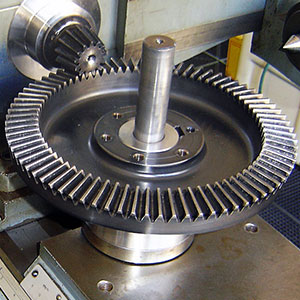
- Bevel gears: Transfer motion between intersecting shafts, allowing a change in rotational direction.
- Worm gears: Operate between perpendicular, non-intersecting shafts and can provide substantial speed reduction.
- Rack and pinion systems: Convert rotational movement into linear motion for positioning and machinery applications.
The correct choice depends on the machine design, shaft arrangement, speed, and load requirements. Always check the original equipment specifications before selecting an alternative.
2. Gear Dimensions and Tooth Specifications
Accurate measurements are essential when comparing products from machine gear suppliers. Important specifications include tooth count, pitch diameter, outside diameter, face width, and bore size.
The module, which defines tooth size in metric gear systems, is particularly important. Gears with different modules may not mesh correctly, even when their external dimensions appear similar.
Pressure angle and tooth profile must also be compatible. These characteristics influence tooth engagement, load transmission, and wear.
Where possible, provide the original component number, technical drawing, or manufacturer specifications when requesting a replacement. This helps improve identification accuracy.
3. Material and Load Capacity
Gear materials must withstand the forces, temperatures, and environmental conditions associated with the application. Depending on the design, gears may be manufactured from steel, cast iron, or engineering plastics.
Steel gears are commonly used in demanding industrial applications, while other materials may suit lighter loads or specialised environments.
Consider operating torque, rotational speed, duty cycle, and exposure to moisture, dust, or corrosive substances. A replacement gear must provide suitable strength and wear resistance for its intended purpose.
4. Shaft Alignment and Mounting
Even correctly specified gears can perform poorly if installed incorrectly. Shaft alignment, mounting dimensions, lubrication, clearances, and backlash all affect performance.
Backlash refers to the clearance between mating gear teeth. Insufficient clearance can cause binding, while excessive clearance may result in noise, inaccurate positioning, or impact loading.
Inspect associated shafts, bearings, housings, and lubrication systems before installation to help prevent premature component failure.
How to Choose Reliable Machine Gear Suppliers in South Africa
Selecting a supplier involves more than comparing prices. You need confidence that the components meet your machinery’s requirements.
When evaluating machine gear suppliers, consider the following:
- Technical knowledge: Choose a supplier who understands gear specifications and can clarify component requirements.
- Product suitability: Confirm that components meet the necessary dimensional, material, and performance requirements.
- Quality assurance: Ask about manufacturing standards and relevant quality documentation where applicable.
- Availability: Establish realistic delivery times to minimise disruption to production schedules.
- Application support: Provide details about your machinery and operating conditions to help identify suitable solutions.
Factoria Engineering provides an engineering-focused point of contact for businesses exploring industrial solutions. Supplying accurate technical information can help clarify your requirements and support the sourcing process.
Common Gear Compatibility Mistakes to Avoid
Several mistakes can lead to unsuitable purchases, unnecessary costs, and machinery downtime.
- Assuming similar dimensions mean compatibility: Gears may have different modules, pressure angles, or tooth profiles despite looking alike.
- Ignoring operating conditions: A gear designed for light, intermittent use may not withstand continuous operation under heavy loads.
- Overlooking related components: Worn bearings, misaligned shafts, and damaged housings can affect replacement gear performance.
- Choosing on price alone: An inexpensive component may offer poor value if it fails prematurely.
- Failing to verify specifications: Check measurements, drawings, and equipment model numbers before ordering.
When technical details are uncertain, seek professional guidance rather than relying solely on visual comparisons.
Frequently Asked Questions About Machine Gear Suppliers
What information do I need when sourcing replacement machine gears?
Provide the machine make and model, original part number and specifications where available. Photographs and technical drawings can also assist with identification.
Can I replace a gear with one from another manufacturer?
Yes, provided the replacement meets the required technical specifications and suits the application. Compatibility should be verified rather than assumed.
What causes machine gears to wear prematurely?
Common causes include inadequate lubrication, excessive loading, misalignment, contamination, incorrect backlash, and unsuitable materials. Identifying the underlying cause before replacement is important.
How do I choose the right machine gear supplier in South Africa?
Look for a supplier who can clarify specifications, discuss product suitability, and communicate availability and lead times. Accurate technical information helps streamline the process.
Why is gear module important?
Gear module defines the size of metric gear teeth relative to pitch diameter. Mating gears generally require compatible modules and geometry to engage correctly.
Contact Factoria Engineering for Your Machine Gear Requirements
Choosing compatible machine gears helps maintain reliable power transmission, improve operational efficiency, and extend equipment service life. By checking dimensions, materials, and installation requirements, South African businesses can make informed decisions when sourcing replacement components.
Factoria Engineering can be your point of contact when exploring solutions for your engineering requirements.
Continue browsing Factoria Engineering to learn more about our offerings, or contact our team to discuss your application. Providing equipment details, existing gear specifications, or technical drawings can help establish the appropriate next steps.